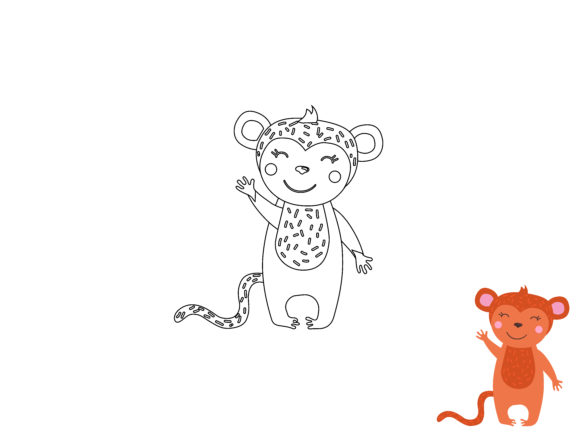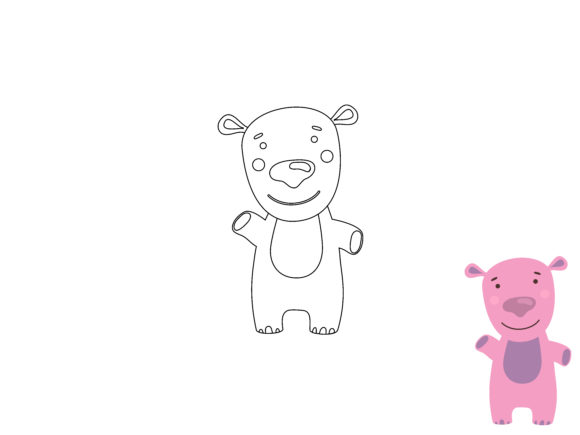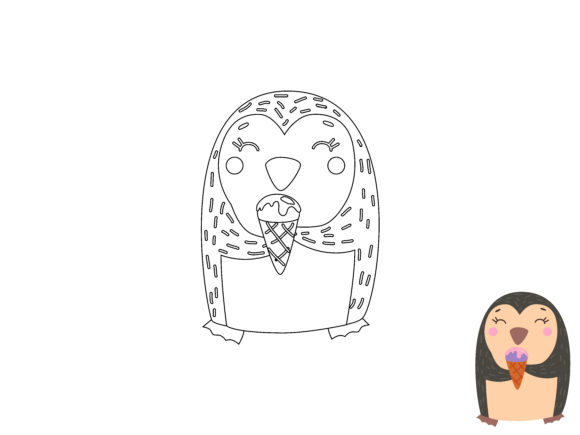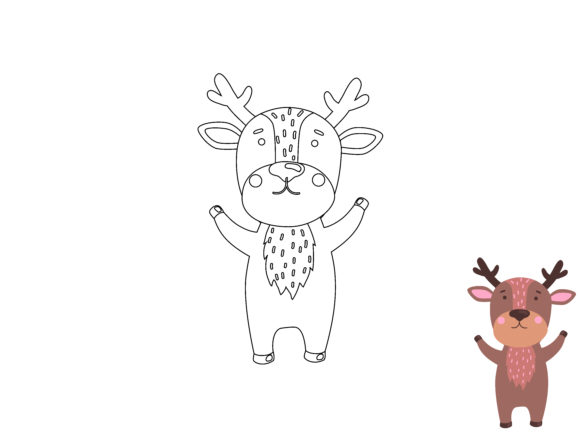
A Craft-Smart Review of the Kids Coloring Animal Cat Vector
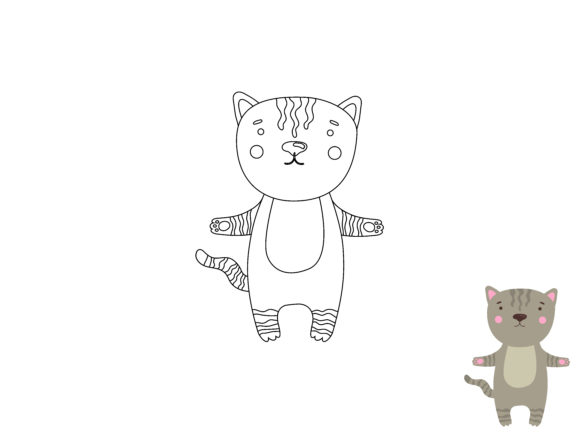
As someone who designs real products for real customers, my first look at a new graphic design asset is always practical. I’m not just judging the art; I’m judging its potential in my workflow. When I opened the Kids Coloring Animal Cat Vector, my immediate impression was of a playful, cozy, and inviting style. This isn’t a formal illustration; it’s a friendly, approachable one. It suggests a handmade style that’s perfect for gifts, children’s items, and products aimed at families, animal lovers, or anyone looking for a touch of wholesome charm. The mood it creates is lighthearted and decorative, making it a strong candidate for festive collections, playful branding, or products that simply feel warm and personal.
Where This Cat Vector Shines in a Handmade Business
This SVG design is, as described, openable, editable, and resizable without losing quality, which is the bedrock of any professional crafting workflow. In my studio, that means I can adapt it endlessly. Here’s where I see it working exceptionally well for crafters, Etsy shop owners, and printable product creators.
- Large-Format Cut Files: For Cricut or Silhouette projects, this vector is ideal for larger applications. Think big tote bag designs, statement wall art for printable PDFs, or the centerpiece of a greeting card.
- Clean Printable Layouts: As a digital product, it can be the core of a coloring page bundle, integrated into planner pages, or used as clean, crisp art for scrapbooking elements.
- Seasonal Craft Bundles & Gift Products: Pair this asset with a themed font and some decorative accents to quickly build a collection for a craft fair or a seasonal shop update—perfect for party favor bags, gift tags, or thank-you cards.
- Personalized Items & Product Mockups: The editable nature means I can easily incorporate a name or message for custom mugs, tumbler wraps, or t-shirt designs, especially for sublimation design or vinyl cutting.
- Handmade Shop Collections & Branding: For small business branding, a cohesive set of products using this friendly illustration can define a shop’s aesthetic. Using it on handmade packaging or as a decorative logo accent can create a recognizable, cozy brand feel.
Practical Considerations for Crafting Success
Every asset has its sweet spot, and knowing where to use it carefully prevents wasted materials and unhappy customers. Based on the typical structure of a coloring-style vector, here are my notes.
- Very Small Cutting Details: If the design has intricate lines, be cautious using it for tiny sticker designs or vinyl projects with many layers. Test a small cut first to ensure details don’t tear or bridge.
- Low-Contrast Backgrounds: For t-shirt design or mug design on dark fabrics or colored substrates, the lines might need a bold background or offset layer to remain clean and readable.
- Crowded Compositions: When building a product mockup, avoid crowding this graphic with too many other elements. Its playful style benefits from clean, simple layouts to shine.
My Essential Crafter Checklist Before Production
Before this SVG file ever touches a physical product for a customer order, I run through a standard set of checks. It’s what separates a hobby maker from a professional creative entrepreneur.
- Test the File in Your Software: Open it in Adobe Illustrator or your preferred program. Confirm the SVG lines are clean, closed paths, and that there are no hidden stray points.
- Preview PNG Transparency: If a PNG is included, check its edges on both light and dark backgrounds in a mockup to ensure no white fringe remains.
- Confirm Resolution for Sublimation: For print-on-demand or sublimation design, resize it to your product’s dimensions and ensure the art remains sharp at high resolution.
- Test Colors Before Printing: If you’re adding color, print a test swatch. The coloring page style often implies bold, kid-friendly colors, but verify how they look on your specific material.
- Place It on Real Mockups: Don’t just look at the graphic alone. Drop it onto images of mugs, shirts, and tote bags to see how it balances with the product shape.
- Pair with Complementary Fonts: For personalized items, test pairing it with a playful script font, a clean sans serif for readability, or a handwritten font to enhance the cozy handmade feel.
- The Final, Critical Step: Absolutely confirm the commercial license terms. Never assume. Using a design asset for handmade business products, Etsy products, or craft fair items requires clear commercial use rights. Only proceed to customer orders after this is verified.
Building Real Products from This Design Asset
Let’s frame this around a real scenario. Imagine I’m preparing for a local market with a “Cozy Creatures” collection. The Kids Coloring Animal Cat Vector becomes my anchor graphic.
I’ll use it to create a set of matching items: a durable vinyl decal for a child’s water bottle, a sublimated design on a cozy fleece blanket, a printable coloring page bundled with crayons as a party favor kit, and a simple sticker for a thank-you card. Because the vector is resizable without quality loss, I can adapt it for each medium—larger, simpler shapes for the blanket; clean lines for the vinyl decal; and a crisp layout for the printable PDF.
The key is to let the asset’s personality guide the product. This cat vector isn’t minimalist or premium; it’s decorative and playful. So my entire collection will lean into that warmth. I might pair it with a soft color palette and rustic, natural textures in my product photos to complete the story for my creative marketplace listings.
In the end, a graphic like this isn’t just a clipart illustration. For a handmade business owner, it’s a versatile tool. It saves design time, provides a consistent visual theme, and, when used smartly within its strengths, helps build a product line that feels authentic and attractive to the right customers. Always remember: the best design assets are those you can trust in the hands of your Cricut, under your heat press, and in the hands of your happy customers.