The Kids Coloring Hippopotamus Animal Graphic: A Publisher's Review
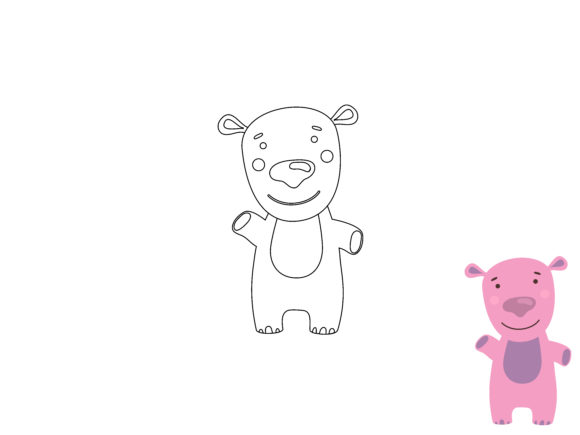
When a new graphic design asset arrives in my digital workspace, my first question is always: does this feel like it belongs on a real website? My second is: will my readers trust the content it represents? Opening the Kids Coloring Hippopotamus Animal vector file, I immediately get a sense of playful, educational warmth. The hippo’s friendly, approachable lines create an editorial mood that is perfect for family-oriented content, parenting blogs, or early childhood education niches. It doesn’t scream high-fashion or corporate seriousness; instead, it feels artistic, clean, and intentionally decorative—a visual cue that the accompanying content is meant to be engaging and hands-on.
Why This Vector Hippo Works for Modern Editorial Design
As a blog designer, I prioritize assets that offer flexibility. The description notes this is an SVG file, openable, editable, and resizable without losing quality in programs like Adobe Illustrator. In practice, this means I can adapt this single graphic for countless publishing scenarios without a pixelated, blurry result. That scalability is the bedrock of professional-looking blog graphics. Whether I need a giant hero image for a website header or a tiny icon for a downloadable worksheet, the quality remains intact, which directly supports reader trust. A crisp, well-defined image signals care and polish.
The Immediate Publishing Use Cases
Let’s walk through a real publishing workflow. Imagine I’m preparing a blog post about "Fun Animal Activities for Preschoolers." My first task is the featured image. I can scale this hippopotamus vector to a wide banner format, overlay a clean sans-serif headline, and instantly have a strong, niche-specific visual that promises a playful read. That same asset, with different cropping and text placement, becomes a tall, eye-catching Pinterest pin designed for high click-through potential. The friendly character of the drawing makes it inherently clickable.
Beyond the blog post itself, this graphic becomes a powerhouse for content marketing assets. For a lead magnet, I can place it as the cover art for a "Zoo Animal Coloring Pages" digital guide. For affiliate marketing content linking to art supplies, it serves as a perfect, relevant visual in a sidebar or product comparison graphic. It can anchor a newsletter header for a creative educator’s monthly update or become the recognizable thumbnail for an entire "Coloring Pages" category on my site, aiding category recognition.
Building Visual Hierarchy and Brand Consistency
A key part of my job is creating a coherent visual identity across a website. A versatile, editable vector like this is a foundational design asset. I can adjust colors to match my brand palette, perhaps making the hippo outline a specific shade of blue used across my site. I can isolate elements, using just the hippo’s head as a recurring decorative accent in editorial layouts. This repetition builds a subtle, professional brand identity that makes my content feel curated and unified, not random.
Where This Hippo Graphic Excels
- Hero Images & Website Headers: Its scalable nature ensures it looks bold and clear at full width.
- Article Thumbnails & Blog Graphics: Provides an instant, thematic visual cue for readers scanning a page.
- Pinterest Pins & Social Media Previews: The playful style is highly engaging in crowded social feeds.
- Content Upgrades & Downloadable Resources: Perfect as the central art for printable coloring sheets or digital guides.
- Category Visuals & Newsletter Headers: Creates immediate topic association for recurring content sections.
- Canva Template Elements: Imported into Canva, it allows quick creation of consistent marketing materials.
Considerations for Professional Implementation
Even with a strong asset, thoughtful implementation is crucial. There are contexts where the Kids Coloring Hippopotamus Animal should be used carefully. Its playful, illustrative style might not suit a very serious, corporate professional niche or a text-heavy blog image where the graphic could distract from dense information. On low-contrast backgrounds, the lines might need strengthening for readability. In very small mobile thumbnails, even with vector scalability, the detail might become too fine to discern—testing is key.
Essential Publisher Notes Before You Launch
- Test Across Screens: Preview it on desktop, tablet, and phone. See how it renders as a 150px thumbnail.
- Preview in Layout: Drop it into a dummy blog post layout with your typical headline fonts. Try it beside serif, sans-serif, and even playful script fonts to gauge harmony.
- Check Contrast & Readability: If overlaying text, ensure the graphic areas provide enough "quiet space" for text to be legible.
- Review File Performance: While SVG files are typically lightweight, ensure you compress final web images properly for speed.
- Confirm Licensing: Before using on monetized websites, affiliate pages, or paid digital products like eBooks, confirm the commercial license terms are suitable for your use.
Ultimately, the Kids Coloring Hippopotamus Animal graphic is more than just a coloring page. For a digital publisher, it’s a versatile tool for visual communication. It helps elevate website presentation from generic to thematic, supports clearer visual hierarchy, and enables the creation of more professional-looking, cohesive content pages. By integrating such purposeful design assets into your web design and editorial design workflow, you build stronger first impressions with your audience—a fundamental step in successful digital publishing.