A Designer’s Take on a Mandala Coloring Book Embroidery
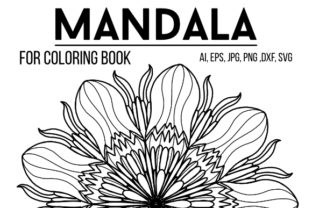
When you're scrolling through thousands of embroidery files for your next project, you develop an instinct. You look past the preview image and try to visualize how those lines will translate into stitches on fabric. When I first saw Mandala for Coloring Book, my instinct was immediate: this isn't just a graphic; it's a blueprint for something exceptionally calming and elegant. Let’s talk about why, and how it might perform in your real-world projects.
The Immediate Mood: Serenity with Structure
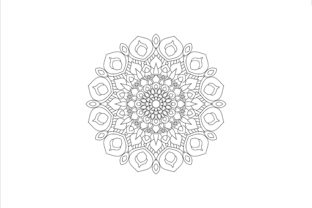
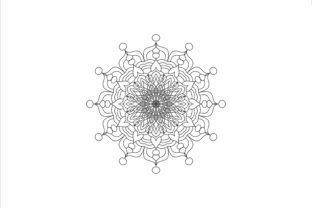
The first impression is one of peaceful symmetry. Mandala designs carry an inherent sense of balance and focus, and this one, intended for a coloring book, has a clarity that’s perfect for translation into thread. It’s not overly frenetic or packed with tiny, impossible details. Instead, it presents a harmonious pattern with clear, deliberate layers. This visual personality—structured yet soothing—suggests it belongs on products meant to convey care, mindfulness, or a personalized touch. Think of a custom-order baby blanket for a nursery, a meditation pillow cover, or a gift for someone who appreciates handmade detail. The mood is gentle, which makes it highly giftable.
Where This Mandala Shines in Real Embroidery Projects
My mind jumps to applications where the design’s balance can become a focal point. On a crisp, cotton kitchen towel or apron, this mandala embroidery design would elevate a simple household item into boutique-level merchandise. Stitched onto the back of a lightweight sweatshirt or the front of a tote bag, it creates a statement piece that feels artistic rather than merely decorative.
For small business owners and Etsy sellers, this has serious potential. A neatly embroidered Mandala for Coloring Book on a plain pillow cover instantly increases the product’s perceived value. It looks intentional and skilled. On baby items like a soft jersey bib or the corner of a receiving blanket, it adds a unique, handmade signature that parents often seek out. As a custom embroidered patch, it could be applied to caps, backpacks, or jackets, offering clients a personalized emblem. The design’s clear, open sections also make it a fantastic candidate for applique design work, where you could use fabric pieces for the larger areas, saving stitch time and adding texture.
Scenarios to Approach with Care
While the design feels well-structured, its success hinges on thoughtful execution. On highly textured fabrics like some linens or boucle sweaters, the fine lines might lose clarity. Similarly, on very stretchy fabrics without the proper stabilizer, the symmetry could distort. I’d be cautious about using it on very dark fabric backgrounds without a thorough thread color test; some of the intricate connections might disappear if the contrast isn’t strong enough.
The scale is crucial. Since it was created for a print book, the size might be perfect for a larger hoop, but shrinking it down for a tiny corner on a hat or a small baby garment could compress those layered details into a dense, potentially muddy stitch area. Always test the design on scrap fabric first, especially if you’re planning to use it on a curved surface like a cap, where distortion is a real risk.
How It Impacts Your Craft Business and Client Trust
Using a design like this effectively speaks to your professionalism as an embroidery designer. A clean, well-executed mandala on a finished product signals attention to detail and quality craftsmanship. It boosts customer trust because the result looks deliberate and complete—not a randomly chosen clipart. For your brand, if you specialize in mindful, home decor, or personalized gifts, this pattern can become a consistent element in your product line, reinforcing your niche.
From a commercial perspective, it’s versatile. It could anchor a line of holiday embroidery gifts, like serene Christmas pillow covers or New Year's intention towels. In digital product previews and printable mockups for your online shop, it presents as a strong, attractive design asset. The key, as always, is to confirm the licensing terms for the embroidery file before selling finished items or using it in commercial embroidery projects for clients.
Practical Notes From the Hoop
Before you load this file, here’s what I’d do based on experience. First, I’d run it in a software preview to check the stitch density, particularly in any potentially dense fill stitch areas. Then, I’d stitch it out on a light and a dark piece of scrap fabric to see how the thread coverage looks and to inspect the small details for clarity. This helps you decide on the perfect hoop size and whether any adjustments are needed.
Consider the thread colors. A monochromatic scheme using a single, bold color could make a striking, modern statement. Alternatively, using a palette of soft, complementary colors could enhance the mandala’s layered, coloring-book origin. Think about the end product’s use: for items needing frequent washing, like kitchen towels, ensure your stitch settings and stabilizer choice will hold up.
Ultimately, Mandala for Coloring Book feels like a reliable, aesthetically pleasing pattern. It’s not a flashy, trendy graphic, but a timeless one. Its strength is in its balanced composition, which, when embroidered with care, translates into a product that feels valuable, handmade, and thoughtfully created. That’s the kind of finish that keeps clients coming back and makes your craft business stand out.