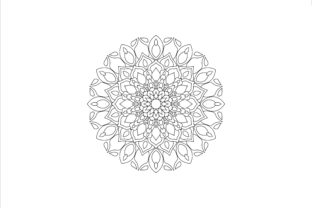
A Mandala Graphics Book for Calming Editorial Crafts
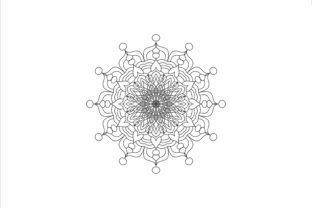
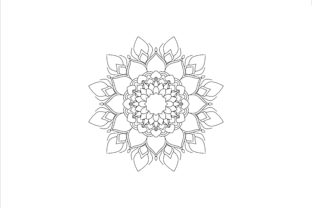
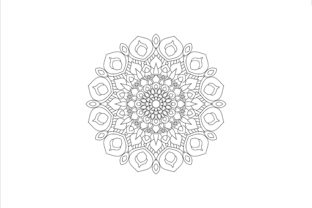
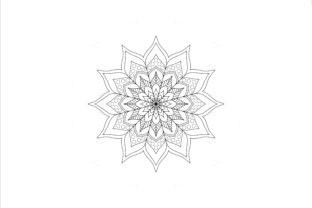
As someone who builds blogs and digital publications, my first reaction to Coloring Mandala Art Book 0144 was a sense of quiet order. This isn’t a loud, flashy graphic asset. It’s a collection of intricate, balanced patterns that immediately establishes a mood of mindfulness, creativity, and artistic focus. For publishers, this translates to a visual tone that feels artistic, decorative, and gently educational. It supports content niches centered on wellness, personal crafts, mindful hobbies, spiritual exploration, and artistic education. The style leans towards a clean, modern interpretation of a classic form, making it feel both timeless and adaptable.
This Design Asset Creates a Distinct Editorial Mood
The mandala patterns within this book don’t just decorate; they communicate. When I previewed them in a mock blog layout, they created an immediate atmosphere of calm and intention. For a reader arriving on a post about stress-relief techniques or a guide to creative meditation, this visual sets the right expectation. It signals that the content is about process, focus, and personal enrichment. This builds reader trust by aligning the visual theme perfectly with the editorial topic. For affiliate marketers in the crafts and wellness space, this alignment is crucial—it makes the content feel authentic and the recommended products or resources feel like a natural fit.
Real Publishing Workflows: From Blog Posts to Lead Magnets
In a real content production day, Coloring Mandala Art Book 0144 can move seamlessly through multiple stages. Imagine a blogger preparing a comprehensive post on "The Benefits of Artistic Mindfulness."
- The most detailed mandala could become a powerful, eye-catching blog featured image or website header, providing a strong first impression that promises depth and value.
- A simpler pattern could be extracted to create a series of Pinterest pins, each focusing on a different aspect of the article—perfect for driving traffic from visual platforms.
- Inside the article, these graphics can serve as editorial accents, breaking up text and reinforcing key sections visually.
- For content marketing, a selection of these mandalas could form the core of a digital guide or lead magnet—a "Printable Mandala Starter Kit" offered to email subscribers.
- They could be used to design the cover of an eBook, interior pages of a digital product, or worksheet elements within a downloadable printable.
- For social media, they provide ready-made art for Instagram posts, Facebook cover images, or newsletter graphics that announce a new blog series.
How Mandala Graphics Support Content Performance
Using cohesive, high-quality graphic design assets like this collection directly impacts how content performs. A well-chosen mandala as a hero image creates a stronger first impression, encouraging visitors to stay and read. Its inherent symmetry and focal point establish a clearer visual hierarchy, guiding the eye naturally. For clickable elements like affiliate links or download buttons, placing them within or alongside such pleasing art can increase click-through potential by making the entire environment more engaging.
Consistency is key for small business branding. Using elements from this single asset across your blog graphics, Pinterest pins, and downloadable resources creates a more consistent branding and a stronger visual identity. Readers begin to recognize your style, building improved reader trust and better category recognition—they know your site is a place for thoughtful, creative content. Ultimately, every page or post that incorporates these graphics looks more polished and professional, moving away from the generic and towards the curated.
Optimal Uses in the Publisher’s Toolkit
Based on its style and structure, Coloring Mandala Art Book 0144 works exceptionally well in certain publishing contexts.
- Hero images and article thumbnails where detail can be appreciated.
- Pinterest pins, where intricate, beautiful visuals thrive.
- Blog graphics that serve as section dividers or topic illustrations.
- The central visual for content upgrades like coloring page downloads.
- Category visuals for a blog’s "Crafts" or "Mindfulness" archive page.
- Newsletter headers for a regular creativity-focused email.
- Social media previews for link posts directing to your related article.
A Note on Contexts That Require Careful Application
While versatile, this asset should be applied thoughtfully. The intricate detail can become lost or muddy in small mobile thumbnails, so testing at various sizes is essential. On text-heavy blog images where a graphic serves as a background for overlaid headlines, you must ensure the pattern doesn’t compete with readability—using low-contrast areas or simplifying a section may be necessary. It might feel out of place in serious professional niches or corporate content unrelated to art, wellness, or education. For websites with a very minimal visual system, a mandala’s complexity could clash unless used very sparingly as an accent.
Practical Publisher Notes & File Considerations
Before deploying any asset like this into live content, I run a few practical checks. For Coloring Mandala Art Book 0144, which comes in multiple file formats including vector options like AI and SVG, this process is crucial.
- Test it on desktop and mobile screens to see how detail renders at different sizes.
- Check how it looks as a thumbnail—sometimes a simpler section of a pattern is more effective than the whole.
- Preview it inside a real blog layout alongside your typical text blocks and widgets.
- Test it with headline text overlaid. Try it with your usual serif font, a clean sans-serif, and even a script font to see which pairing creates the best balance and readability.
- Review file size for web performance. While vector files are scalable, the provided JPEG and PNG formats should be compressed properly for fast loading.
- Most importantly, confirm commercial licensing before using it on monetized websites, affiliate pages, or within paid content products like digital guides. Knowing you have clear rights is foundational for professional publishing.
The availability of vector formats (AI, EPS, SVG) and raster formats (JPEG, PNG, DXF) means you have flexibility. Use the vectors for scalable elements like logos within your Canva template designs for social media, or for printing high-quality downloadable resources. Use the optimized web-ready images for fast-loading blog graphics and website headers.
Final Thoughts on Editorial Quality and Visual Communication
Incorporating Coloring Mandala Art Book 0144 into your publishing workflow is more than just adding decoration. It’s a choice in visual communication. For bloggers, website owners, and content creators in the crafts and creative wellness space, it provides a ready-made library of design assets that elevate editorial design. It helps turn a simple blog post into a cohesive visual experience, a social media post into an engaging piece of art, and a lead magnet into a genuinely valuable digital download. By focusing on assets that carry a specific, appropriate mood, you build a digital presence that feels intentional, trustworthy, and visually polished—key ingredients for successful content marketing and affiliate marketing in today’s crowded online landscape.