Beyond Coloring: A Mandala Collection for Serious Digital Publishers
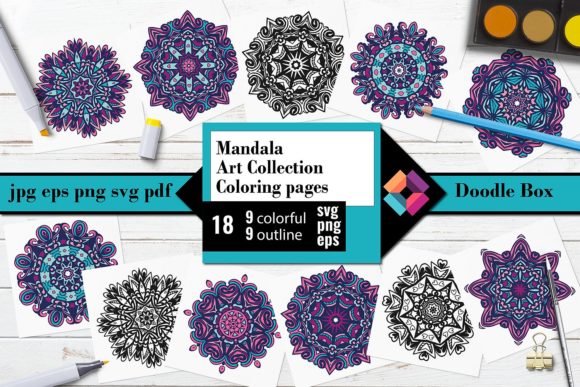
My first impression of the Mandala Art Collection Coloring Pages was distinct: this isn't just a bundle of patterns for kids. As someone who designs blog layouts and publishes content daily, I immediately saw a versatile graphic design asset with serious editorial potential. The mood it creates is artistically calm, visually intricate, and inherently decorative. It feels lifestyle-focused, slightly feminine, and deeply artistic – perfect for niches in wellness, mindfulness, creative education, or handmade crafts. For a publisher, this isn't about filling in shapes; it's about using these forms to frame content with a sense of intention and beauty.
The Editorial Power of a Well-Chosen Graphic
Reader perception starts with visual cues. Placing one of these mandalas as a website header or a blog featured image signals a space dedicated to thoughtful, often hands-on, content. It builds reader trust by suggesting a polished, considered aesthetic. Unlike generic stock photos, these vector-based designs offer a consistent visual identity. You can adapt a single mandala across an entire series of posts about meditation guides, artistic techniques, or seasonal crafts, creating instant category recognition. This cohesion is gold for building a recognizable brand.
From Blog Post to Pinterest Pin: Real Publishing Applications
Let’s map this to a real workflow. Imagine you’re preparing a "Spring Mindfulness Guide" as a digital product. Here’s how this asset supports that project:
- Hero Image & Article Header: Use a prominent mandala as the backdrop for your headline. Its radial symmetry creates a natural focal point, enhancing visual hierarchy and making the title pop.
- Pinterest Pin & Social Media Graphics: These intricate designs are inherently eye-catching. A mandala slice as a pin background can dramatically increase click-through potential from visual platforms.
- Downloadable Resources & Lead Magnets: The files are, of course, perfect as coloring pages themselves. But think bigger: use them as decorative borders for your digital guide PDF, as worksheet accents, or as the cover art for your eBook. They transform a simple printable into a beautiful content upgrade.
- Newsletter Graphics & Website Banners: A simplified mandala element makes for a elegant, non-intrusive banner announcing a new blog series or a product launch, supporting content marketing efforts with a clean visual.
- Canva Template & Affiliate Content Visuals: Import the vectors into Canva to build reusable templates for your affiliate marketing posts. A consistent mandala motif across your review graphics makes your recommendations feel more curated and trustworthy.
Where This Design Asset Supercharges Content Performance
The true value for a publisher lies in performance. Using the Mandala Art Collection strategically can:
- Create a stronger first impression on a landing page or blog post, encouraging readers to stay.
- Establish a more professional-looking content page, moving beyond basic text-and-image layouts.
- Offer more consistent branding across blog graphics, social media, and digital products.
- Provide stronger visual identity, especially for small business branding in creative fields.
The Perfect Fit: Hero Images, Content Upgrades, and Editorial Accents
This collection works exceptionally well for article thumbnails in categories like "art therapy," "DIY decor," or "holiday crafts." It’s ideal for Pinterest pins where detail attracts clicks. As editorial accents—small, repeated elements in a sidebar or between sections—they add decorative flair without overwhelming text. They are naturally suited for downloadable resources and category visuals, where the design itself becomes part of the content's value proposition.
A Note on Context: Where to Use with Care
While versatile, these are creative design assets. Use them carefully in certain contexts:
- Small Mobile Thumbnails: The fine detail might become a muddy blur. Test extensively on small screens.
- Text-Heavy Blog Images: Placing paragraphs over a busy, full-color mandala can destroy readability. Opt for high-contrast sections or use them as borders.
- Serious Professional Niches: For corporate finance or legal blogs, the decorative, artistic mood might feel misplaced.
- Very Minimal Visual Systems: If your site ethos is stark minimalism, the intricate patterns could clash.
Practical Publisher Notes Before You Hit Publish
Before integrating this Mandala Art Collection into your live site, run these checks:
- Test on Desktop and Mobile: See how the detail renders on a phone screen versus a monitor.
- Preview in a Real Blog Layout: Drop it into your actual WordPress or Squarespace draft. Does it balance with your existing fonts and colors?
- Test with Headline Text: Place your article title over it. Check contrast and readability. Try it with a serif font, a clean sans-serif, and even a script font to find the best pairing.
- Review File Size for Web Performance: While vectors are scalable, exported web images (JPEG, PNG) must be compressed properly to avoid slowing page load.
- Confirm Commercial Licensing: Since you’re using it on monetized websites, affiliate pages, or paid digital download products, ensure your license covers commercial design use. This is a non-negotiable step for professional publishers.
Ultimately, the Mandala Art Collection Coloring Pages transcends its name. From a publisher’s desk, it’s a toolkit for modern design accents. These high-quality vector files offer the foundation for creating decals, stickers, or T-shirts, as mentioned, but their real power for bloggers and creators lies in elevating visual communication. They turn a standard blog graphic into a statement, a printable into a gift, and a website into a more cohesive, visually trusted space. For anyone building content that needs to look polished and clickable, this is a collection worth designing with.