Using a Tiger Graphic for Kids Brand Icons
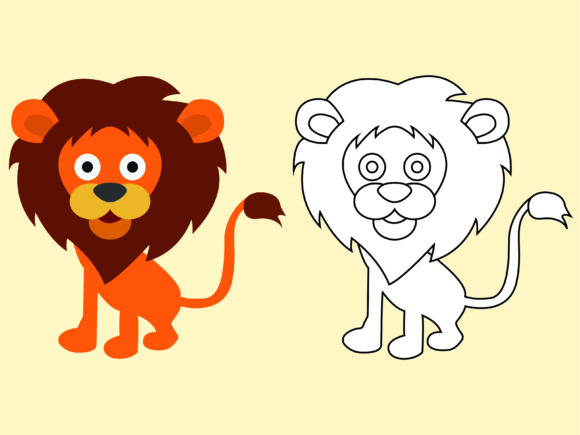
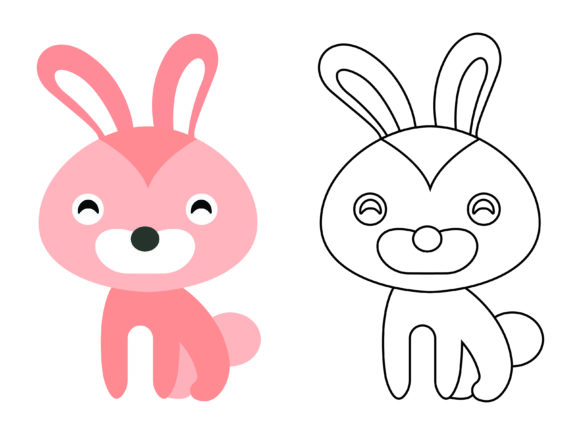
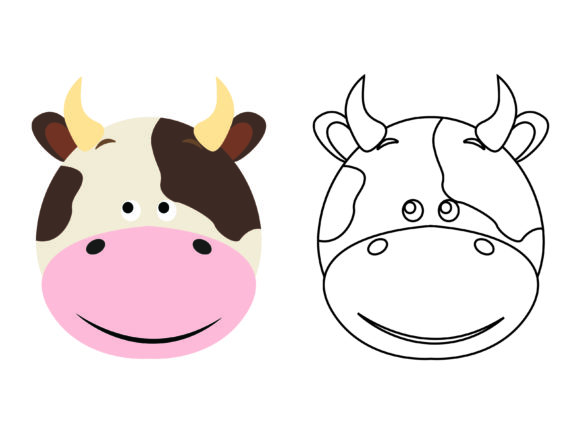
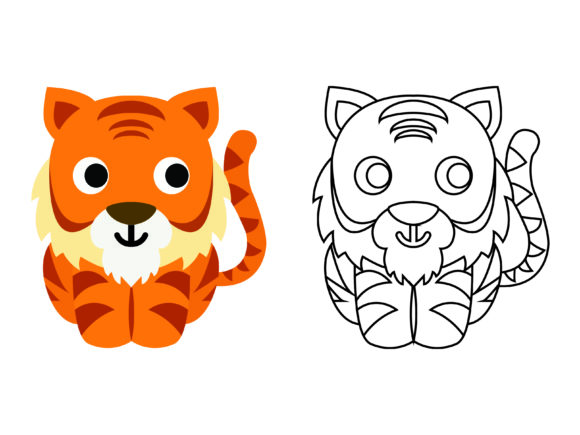
As a brand designer reviewing assets for a new children’s boutique client, I’m always looking for versatile graphics that can anchor a cohesive identity. When I first opened the Cute Tiger Kids Coloring Vector, my immediate impression was a sense of playful warmth. This isn't a fierce, corporate mascot; it’s a friendly, approachable character with a hand-drawn feel. The style suggests a brand personality that is gentle, creative, and trustworthy—perfect for businesses targeting families, like toy stores, kids’ apparel lines, or organic snack brands.
The Mood It Creates: Friendly, Handmade, and Playful
The loose, coloring-book style of this tiger graphic inherently communicates a handmade and organic vibe. It feels less like a slick corporate icon and more like a charming illustration from a favorite storybook. For a local business, this is a significant advantage. Whether you’re a bakery offering kids’ party cookies or a maker of natural children’s skincare, this asset can visually signal that your products are crafted with care and imagination. It leans toward soft and decorative rather than bold or minimalist, making it ideal for brands that want to project warmth and creativity.
Real-World Applications for Local Business Branding
For my boutique project, the vector’s flexibility is its greatest strength. Because it's openable, editable, and resizable, I can integrate it across the entire brand identity without worrying about resolution or style mismatch.
- Logo & Identity Foundation: This tiger can serve as a secondary brand mark or a central illustrative element in a logo for a playful business. It provides a clear visual hook for customer recognition.
- Product Packaging & Labels: On a jar of handmade honey, a box of wooden toys, or a packet of kid-friendly tea, this graphic becomes a delightful accent. It enhances shelf appeal by creating a stronger emotional connection than plain text alone.
- Promotional Material Touchpoints: Imagine it on thank-you cards, loyalty program stickers, or seasonal campaign flyers. It ensures consistency, making your marketing visuals feel polished and professionally conceived.
- Digital Presence: From website banners announcing a new collection to social media graphics for a back-to-school sale, this vector can be adapted to create engaging, on-brand content quickly.
Where This Graphic Asset Works Best
In practical terms, I see the Cute Tiger Kids Coloring Vector excelling in specific applications that elevate a small business’s presentation.
- Product Labels as Hero Graphics: On a primary label, it can be the focal point, establishing the product’s character instantly.
- Packaging Accents & Decorative Elements: Used subtly on wrapping paper, box corners, or hang tags, it reinforces brand identity without overwhelming the layout.
- Printable Inserts & Boutique Visuals: For a local florist or candle brand offering a children’s line, it can adorn care cards or price lists, adding a unique decorative touch.
- Seasonal Campaign Graphics: Edited with festive colors, it can anchor holiday packaging or limited-edition product mockups, providing a flexible base for creative promotions.
Considerations for Professional Use
While versatile, a brand designer must apply this asset thoughtfully. Its decorative nature means it should be used carefully in certain contexts.
- Formal or Luxury Minimalist Brands: This playful icon likely wouldn’t align with a high-end, minimalist perfume brand or a formal corporate service.
- Crowded Information Areas: On ingredient-heavy labels or areas with critical legal text, the graphic should be minimized or omitted to maintain clear visual hierarchy and readability.
- Very Small-Scale Applications: On tiny tags or buttons, the detail might become indistinct; a simplified version may need to be extracted from the vector file.
- Low-Contrast Backgrounds: Without careful color adjustment, the lines might fade, losing impact.
Practical Designer Notes Before Client Deployment
Before committing this graphic to a client’s commercial design, I run a series of practical checks. These steps ensure the asset supports professional branding and avoids last-minute issues.
- Test on Real Mockups: Place the vector on actual packaging templates. See how it interacts with your brand colors, typography, and other elements.
- Check Scalability & Editability: Confirm the vector files allow easy color changes to match your palette and resizing without quality loss for both large posters and small stickers.
- Preview Across Media: View it in black and white for potential print limitations. Test it beside your chosen font styles—serif, sans-serif, script—to ensure harmonious pairing.
- Assess Competitor Context: Compare its use on your mockup against competitor packaging. Does it help your product stand out with better shelf appeal?
- Verify Commercial Licensing: This is paramount. Always confirm the license permits use in client work, physical product sales, and all your intended branding applications before finalizing any design.
Ultimately, the Cute Tiger Kids Coloring Vector is more than just clipart. For a creative entrepreneur or local business owner, it’s a foundational design asset that can build a cohesive visual story. When edited and applied strategically, it fosters customer trust through consistent, charming presentation—from the product label in their hands to the social media graphic on their screen. It turns a simple graphic into a tool for stronger brand recognition and a more polished business identity.