A Calming Mandala Design for Your Craft Projects
When I first opened Coloring Mandala Art 0119, my immediate thought was, "This is a quiet, meditative design." It doesn’t shout for attention. Instead, it invites a closer look with its balanced, intricate layers. As an embroidery designer, my job is to see beyond the digital file on my screen and picture how it will look as stitches on fabric—and whether that finished product will resonate with real people. This mandala has a gentle, universal appeal that feels right for personalized gifts and handmade shop items.
The Mood and Personality of This Design
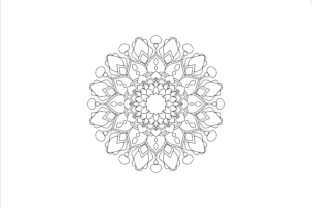
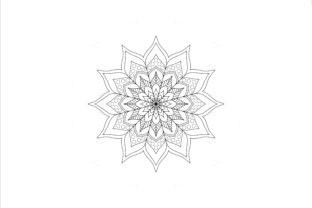
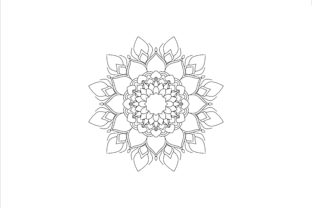
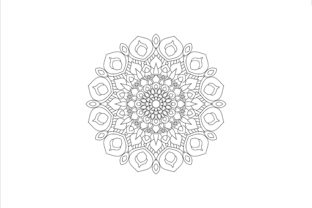
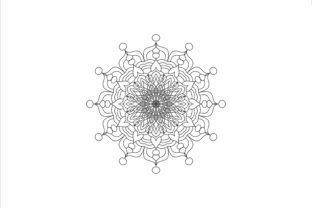
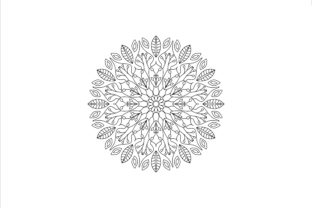
This mandala’s structure is classic and symmetrical, built from repeating floral and geometric motifs. The detail level is high, but it’s organized in clear layers, which is a blessing for embroidery. The visual personality is peaceful and ornate without being overly busy. It creates a mood of mindfulness and craftsmanship. For a crafter or small business owner, that’s a valuable emotion to translate into a product. Think of a custom embroidered pillow cover in a cozy reading nook, or a tote bag for someone who apprecives quiet detail. It feels more like a boutique product than a mass-market graphic.
Where This Mandala Shines in Real Projects
I mentally run through my typical project list with a new embroidery file. Here’s where Coloring Mandala Art 0119 naturally fits.
- Apparel with a Calm Vibe: Embroidered on the chest of a linen sweatshirt or a cotton t-shirt, this design would elevate the garment’s feel. It’s detailed enough to look professional, not like a simple clipart.
- Home Decor & Gifts: Pillow covers, tea towels, or blanket corners. Its symmetrical nature makes it a perfect focal point. For a holiday embroidery gift or a wedding present, it carries a sense of thoughtful permanence.
- Boutique Branding: As a small shop owner, using this on aprons, tote bags, or caps as part of your merchandise line adds consistent, artisanal value. It reinforces a handmade product aesthetic.
- Baby & Nursery Items: On a baby blanket or a delicate nursery pillow, the mandala’s intricate but soft appearance works beautifully. It’s a sophisticated alternative to typical cartoon motifs.
- The Embroidered Patch: This design would make a stunning standalone patch. Its complete, bordered shape is ideal for that application, perfect for backpacks or jackets.
- Digital Product Assets: For digital product sellers, the available formats—AI, EPS, SVG, DXF, JPEG, PNG—mean you can easily create printable mockups for your listings without needing to stitch it first, showcasing the design’s potential to your customers.
Visual Appeal and Stitching Clarity
The layered detail means your stitch density choices will be crucial. The outer rings and larger elements will translate beautifully with satin stitches or fill stitches, offering solid areas of color. The finer inner lines will likely be running stitches. This variation is good; it gives the embroidered piece texture and depth. For customer trust and professionalism, a clean stitch result here will look high-value. The clarity of the design’s lines in the provided vector formats (like SVG and EPS) should help machines render it accurately, leading to better stitching clarity on the final product.
Where to Use This Design with Care
No design is universally perfect. Here’s my practical judgment on situations where you’ll need to plan carefully with this mandala.
- Very Small Hoop Sizes: If you try to shrink this down too much for a tiny baby embroidery on a cap sleeve, the intricate inner details may become muddled or too dense. Test it on scrap first.
- Textured or Stretch Fabrics: On a thick sweater or a stretchy knit, the fine lines might distort. A strong stabilizer is non-negotiable here.
- Dark Fabric Backgrounds: The design has many open spaces. On dark fabric, you’ll need to choose your thread colors strategically to ensure the pattern doesn’t disappear. It might naturally excel on light backgrounds.
- Curved Surfaces like Caps: The mandala is a perfect circle. Embroidering it on the curved crown of a cap requires skillful hooping and stabilization to maintain that perfect shape without distortion.
- Products for Frequent Washing: If you’re making kitchen towels or aprons, the high detail means many stitches. Ensure your stitch settings are secure to withstand wash cycles and maintain the design’s integrity over time.
Practical Designer Notes Before You Stitch
Before I commit any design to a client project or my own shop inventory, I follow a short checklist. For Coloring Mandala Art 0119, here’s what I’d do.
- Test on Scrap Fabric: Always. Use a fabric similar to your final project—be it cotton for a tote bag or fleece for a blanket. Check how the small details emerge.
- Check Thread Color Contrast: Do a simple mental color study. Will a monochromatic scheme (all blues, all earth tones) work? Or does it need contrasting colors to define its layers? Your choice dramatically affects the mood.
- Review the File in Your Software: Open the provided formats in your embroidery software. Look at the stitch path preview. Are there any unusually dense areas or tiny jump stitches that might need adjustment?
- Confirm Your Hoop Size: The design’s size will depend on the file you use. Don’t assume; set your desired size in the software and confirm it fits comfortably in your available hoop.
- Compare Light and Dark Backgrounds: If you plan to use it on various fabrics, create simple black and white mockups or stitch two test scraps to see the difference in visual impact.
- Consider the Final Product’s Use: Is this for a one-off personalized gift, or for repeated production in your craft business? That decision might influence your stitch time and thread cost calculations.
- Licensing for Commercial Use: The product is categorized under Graphics and Crafts. Always verify the specific license terms for this design if you plan to sell the finished product or use it in commercial embroidery projects. This is a fundamental step for Etsy sellers and small shop owners.
The Final Impression: Value and Engagement
When I evaluate a design for real use, the final question is: does it add genuine value? Coloring Mandala Art 0119 does. Its intricate, calm nature increases the perceived value of a custom apparel item or a handmade product. It looks like time and care were invested. For buyer engagement in an Etsy listing or at a craft fair, a product featuring this embroidery stands out as thoughtful and well-made. It’s not a trendy flash-in-the-pan graphic; it’s a timeless piece that can become a keepsake. That’s the kind of design that builds brand consistency for a creative entrepreneur focused on quality.
In my view, this mandala is a strong candidate for projects where craftsmanship is the story. Whether you’re stitching it onto a linen apron for your small shop or creating a special embroidered patch as a gift, its detailed, balanced art will carry that story beautifully into the stitches. Just remember to do your practical homework first—test, check, and verify. Then, let the needle do the rest.