Blue Donuts: A Sweet Vector Design for Embroidery Projects
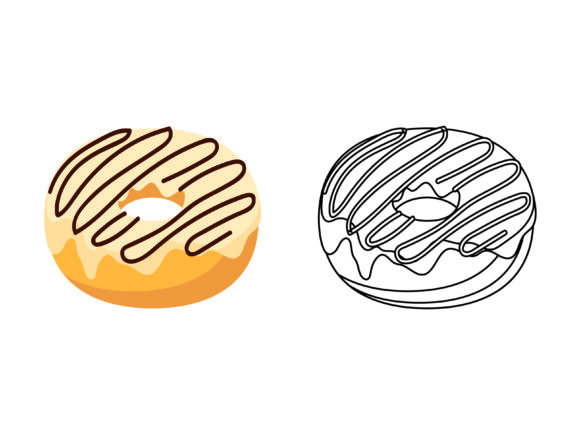
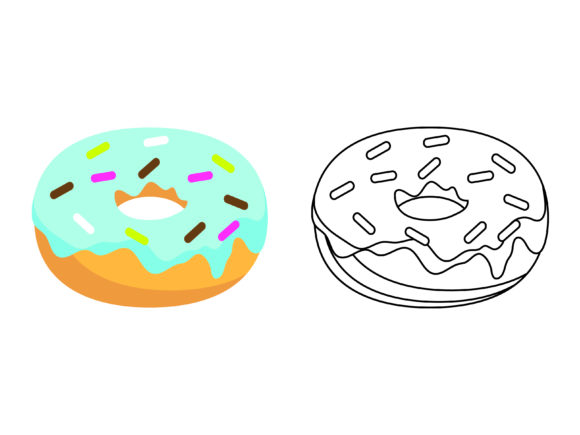
When a new design lands on my screen, my first question isn’t “Is it pretty?” but “Will it stitch well?” Today, I’m looking at the Blue Donuts Kids Coloring Vector Design. My immediate impression? It’s playful, clean, and carries a friendly, lighthearted mood. The simple shapes and open, coloring-book style layout suggest it’s not aiming for hyper-realism, but for a charming, graphic personality. This feels like a design that belongs on something meant to bring a smile—a child’s item, a cheerful kitchen accessory, or a gift for someone with a sweet sense of fun.
The Right Project for Blue Donuts Embroidery
This design’s strength is its versatility within a specific niche. I wouldn’t put it on a formal corporate polo, but I would absolutely consider it for a whole range of personalized and handmade goods. It naturally fits projects where a touch of whimsy adds value. Imagine it embroidered on a cotton tote bag for a bakery-themed gift set, or as a small accent on the corner of a baby’s blanket or knit hat. It’s perfect for customizing a child’s sweatshirt, creating a fun patch for a backpack, or decorating a set of kitchen towels for a holiday gift. For small business owners and Etsy sellers, this vector design could be the centerpiece for a line of “sweet treats” themed merchandise—aprons, pillow covers for a nursery, or even caps for a quirky, boutique brand.
The open, editable vector files are a significant advantage here. As an embroidery designer, I can resize this to fit a 4-inch hoop for a delicate detail on a tea towel, or scale it up for a larger statement on a pillow cover, all without losing clarity. This flexibility is crucial for adapting a single graphic asset across a product line.
Where the Stitching Gets Real: Practical Application Notes
Let’s walk through a real scenario. Suppose a client requests a custom embroidered tote bag as a birthday gift for a donut-loving friend. I’ve loaded the Blue Donuts vector, adjusted the size for the bag’s front panel, and am preparing the machine embroidery file. The design’s clean lines and distinct shapes are promising—they should translate well into satin stitches for outlines and fill stitches for the solid blue areas. However, the level of detail and the spaces between elements will directly impact the final look.
On a textured fabric like a canvas tote, I’d pay close attention to stitch density. Too dense, and the design could become stiff and heavy; too light, and it might look sparse on the rougher fabric texture. A good stabilizer is non-negotiable here. For a smoother fabric, like a cotton baby onesie or a sweatshirt, the embroidery will likely appear sharper, but I’d still test on a scrap piece first, especially checking how the small, circular shapes of the donuts hold their form.
Considerations for Visual Appeal and Customer Trust
How does this design affect the perceived value of a finished product? On a handmade item, clean, recognizable embroidery builds customer trust. A well-executed Blue Donuts motif on a tote bag or pillow cover signals care and professionalism. It’s instantly understandable, which enhances giftability and buyer engagement—people know what they’re looking at and the mood it conveys. For a craft business, using a consistent, charming graphic like this across different products (bags, apparel, decor) can strengthen brand consistency. It’s a design that feels approachable and handmade, not mass-produced.
However, visual appeal depends entirely on execution. The “coloring book” style, with its open centers, means the negative space is part of the design. On dark fabric backgrounds, I’d need to think carefully about thread color contrast. A white or light blue thread for the outlines might get lost on a navy sweatshirt. Testing the design in a black-and-white mockup can help visualize contrast before committing thread. Similarly, on curved surfaces like caps, the scaling and placement need extra care to ensure the circular donuts don’t appear distorted.
Caution Zones: Where to Use This Design Carefully
While versatile, this vector design has boundaries. Its success hinges on clarity. On very small hoop sizes—think under 3 inches—the details might become too cramped, losing the open, friendly feel. On thin or stretchy fabrics without proper stabilization, the fill stitch areas could pull or pucker. I would avoid using it on layered garments with complex seams underneath, as the embroidery might sit unevenly.
Also, for products destined for frequent washing, like kitchen towels or children’s apparel, the longevity of the stitch work is key. A robust fill stitch structure and quality thread choices become paramount to maintain that cheerful look after many cycles. This isn’t a design flaw, but a practical reminder: the file is a blueprint; the embroiderer’s choices in execution determine the final product’s durability.
Essential Pre-Stitch Checklist for Embroidery Designers
Before I run any embroidery machine with a new design, I follow a mental checklist. For the Blue Donuts Kids Coloring Vector Design, here’s what I’m thinking:
- Test First. Always stitch a sample on a scrap of your target fabric. This reveals how the shapes translate, the true thread consumption, and any potential issues with small details.
- Check Contrast. Preview the design on both light and dark background mockups. Decide if the default color scheme works or if you need to adjust thread colors for your specific product.
- Review Density. Look at the generated embroidery file’s stitch density for the fill areas. Is it suitable for your fabric type—a sturdy tote bag versus a delicate baby blanket?
- Confirm Hoop Size. The vector is resizable, but ensure your chosen physical hoop size can accommodate the design dimensions without forcing excessive scaling.
- Inspect Small Details. Zoom in. Are there any tiny corners or spaces that might become indistinct or cause thread breaks? Simplify in the vector editor if needed.
- Understand Licensing. The product description mentions it’s suitable for logos, illustrations, and t-shirt designs. However, before selling finished embroidered items or digital embroidery files derived from this vector, it is essential to confirm the specific licensing terms for commercial use. Never assume.
- Plan for Presentation. For digital product sellers creating printable mockups or craft businesses listing finished products, a clean embroidery sample of this design will be your best sales tool. It shows customers exactly what they’re getting.
In the end, the Blue Donuts Kids Coloring Vector Design is a solid graphic asset with a clear personality. It’s not a hyper-complex, all-purpose design, but that’s its advantage. It offers a straightforward, cheerful theme that, when stitched with practical care and professional technique, can elevate a range of personalized gifts and small business products. It reminds us that successful embroidery isn’t just about the file; it’s about matching the design’s character to the right project and executing it with an understanding of how stitches live on real fabrics.