Evaluating Coloring the Letter L for Embroidery Projects
The First Impression: A Playful, Inviting Character
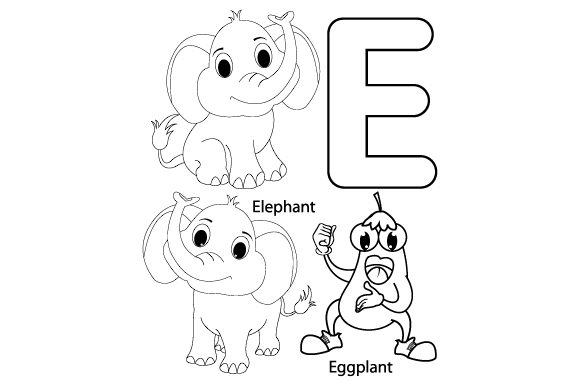
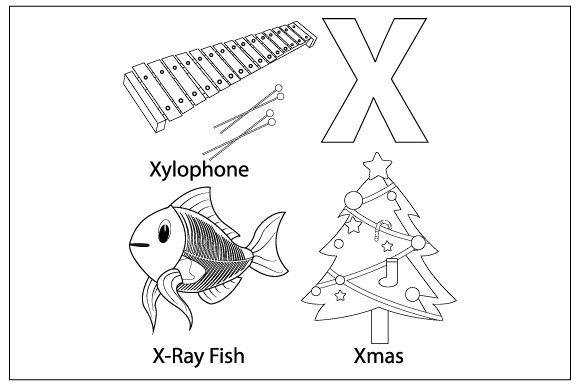
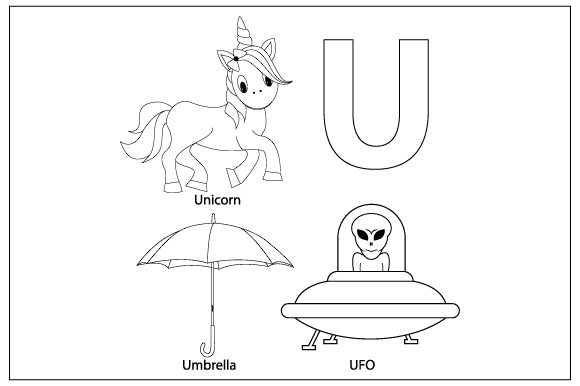
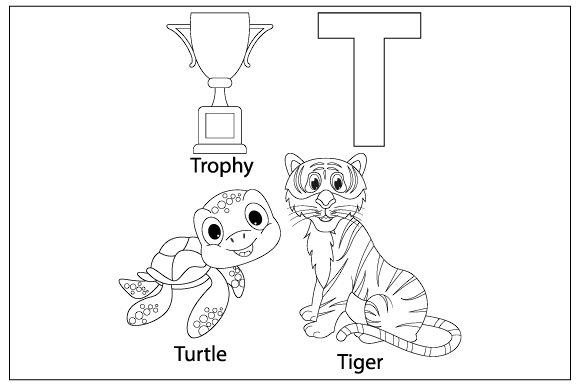
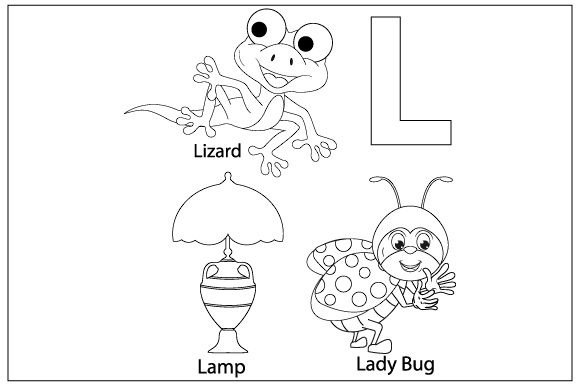
When I first opened Coloring the Letter L, my immediate thought was: this design has personality. It's not just a typographic element; it's a friendly, open illustration. The style feels approachable and joyful, which is exactly the mood you want for projects aimed at children, families, or any product that celebrates a lighthearted spirit. The layout is clean and straightforward, with a level of detail that suggests it will translate well into thread. It doesn't feel overly complicated, which is a positive sign for embroidery—you want a design that retains its charm when stitched, not one that becomes a confusing, dense blob.
The Real-Life Project: A Personalized Nursery Pillow
I'm considering this design for a custom nursery pillow for a client. The request was for something sweet, personalized, and durable enough to become a keepsake. Coloring the Letter L fits that brief perfectly. The illustrative nature of the letter makes it more than just a name initial; it becomes a little piece of art centered around that child. In a practical sense, I'm thinking about how it will look stitched onto a soft cotton pillow cover. The open, coloring-book style lines should allow for clean satin stitch borders and tidy fill stitch areas for the larger spaces. This isn't a design that would get lost on the item—it would be the focal point, and that's a strong value for a personalized gift.
Where This Design Shines in Embroidery
This graphics file naturally belongs to a specific set of projects. Its cheerful character makes it ideal for:
- Children's Items: Baby blankets, embroidered caps for little ones, personalized sweatshirts, or nursery decor like wall hangings.
- Homemade Gifts: Embroidered tote bags for a teacher, a kitchen towel for a new home, or a simple patch on a backpack.
- Small Shop Merchandise: For craft business owners or Etsy sellers, this design could anchor a line of "personalized initial" products—think aprons, pillow covers, or simple tea towels.
- Boutique Branding: A shop focusing on handmade, playful goods could use a version of this on their packaging or as a small logo element on staff aprons.
The included file formats—SVG, Ai, EPS, JPEG, and PDF—mean you have flexibility. For embroidery, you'll likely work from the vector files (SVG, Ai, EPS) to ensure clean scaling, while the JPEG and PDF are excellent for creating printable mockups for your online listings or craft fair displays. That's a practical advantage for digital product sellers and apparel decorators preparing their product previews.
Practical Considerations: Where to Use With Care
Every embroidery design has its sweet spot, and some applications require a bit more forethought. For Coloring the Letter L, I'd proceed cautiously on:
- Very Small Hoop Sizes: If you try to shrink this down too much for, say, a tiny cap logo, some of the open, illustrative details might become too fine and get lost or cause thread breaks.
- Highly Textured or Stretch Fabrics: Thick sweater knits or very stretchy activewear might distort the clean lines of the design. Proper stabilizer choice becomes critical here.
- Dark Fabric Without Careful Planning: The design's open feel relies on contrast. On dark fabric, you'd need to thoughtfully select thread colors to ensure the light, playful mood isn't darkened into a shadowy silhouette.
- Items for Frequent, Heavy Washing: If you're putting this on a child's favorite sweatshirt that will be washed weekly, consider reinforcing areas with potential high stitch density to ensure longevity.
This isn't to say the design can't work in these contexts—it absolutely can with the right setup. It's just a reminder to apply your embroidery designer's knowledge to the specific project.
The Impact on Your Product and Customer
Using a design like this isn't just about stitching; it's about the final product's story. Coloring the Letter L adds a layer of visual appeal that feels handmade and intentional. For a customer, that translates into perceived value and trust—they see a cohesive, thoughtful item, not a generic slapped-on graphic. For a crafter or small business owner, it supports brand consistency if you're building a line around playful, personalizable items. The design's giftability is high; it clearly reads as a personalized present. That recognition factor—"Oh, that's for Liam!"—is instant, which boosts buyer engagement in a marketplace or at a craft fair.
Notes From the Embroidery Machine
Before I'd run this design for a client project or a batch of shop merchandise, my routine would involve a few key steps:
- Test on Scrap Fabric: Always. Use the same material you plan for the final product. This tells you everything about stitch density, thread tension, and how the details translate.
- Check Color Contrast: Run a simple black and white mockup on your screen. Does the design hold its form without color? Then, test your actual thread choices on both light and dark background scraps.
- Inspect the Small Details: Open the vector file and look closely at corners and any fine lines. Are they clean and closed? This prevents surprises at the machine.
- Confirm Your Hoop Size: Decide on the final size for your product and ensure your machine file is set accordingly. Don't assume scaling; check it.
- Review Licensing for Your Use: If you are selling the finished embroidered product or using the design as part of commercial embroidery, confirm the license terms for this graphics product. It's a fundamental step for creative entrepreneurs.
Remember, the quality of the finished product hinges on this preparation. A design with a friendly character like Coloring the Letter L deserves to be stitched with clarity, so its playful personality shines through on that tote bag, pillow, or baby blanket.
The Final Stitch: A Design With Clear Purpose
In my evaluation, Coloring the Letter L stands out as an embroidery design with a clear and practical purpose. It belongs in the world of personalized, joyful, handmade goods. It’s not a generic asset; its illustrative style dictates its best applications. For embroidery designers and makers, it offers a solid foundation for projects that need to feel special and crafted. By pairing it with the right fabric, thoughtful thread colors, and proper embroidery technique, you can create a finished product that truly reflects the design's inviting mood—a mood that, in my experience, customers and gift recipients instantly appreciate.